Nurturing Characters,
Empowering Futures
Liberal Education is the core philosophy of Libera Education. We are dedicated to providing students with a comprehensive, balanced, and in-depth humanistic education.
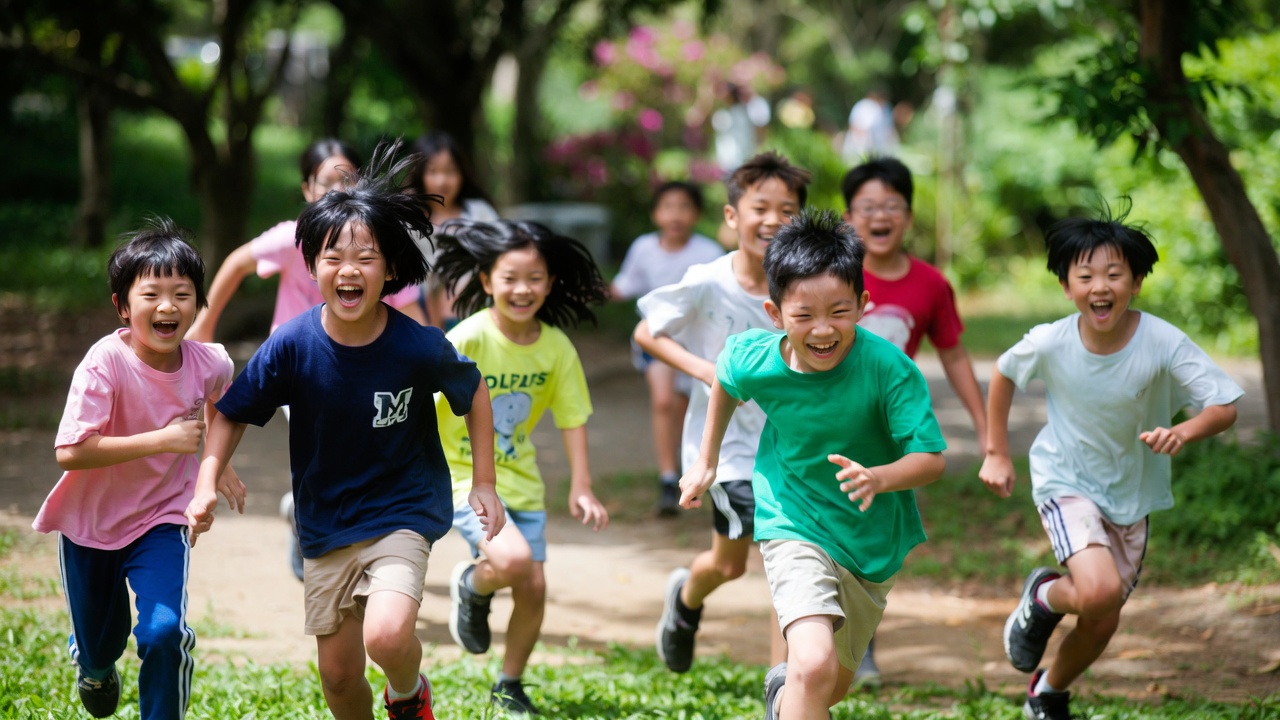
What is Liberal Education?
Liberal Education traces its roots to ancient Greek and Roman traditions, derived from the Latin term artes liberales ("the skills of a free person"). It aims to develop the full range of abilities required for a free individual, rather than focusing solely on vocational or professional training.
Unlike specialized or career-oriented education, liberal education emphasizes broad knowledge, general intellectual horizons, critical thinking, and character development. This equips students to think independently, make rational judgments, and actively engage in society amid complex and rapidly changing environments.
WMEA Accreditation
Libera Education is officially accredited by WMEA (a specialized international accreditation body focused on liberal education standards), ensuring its curriculum aligns with standards of top-tier liberal schools in the UK and globally.
Modern Impact
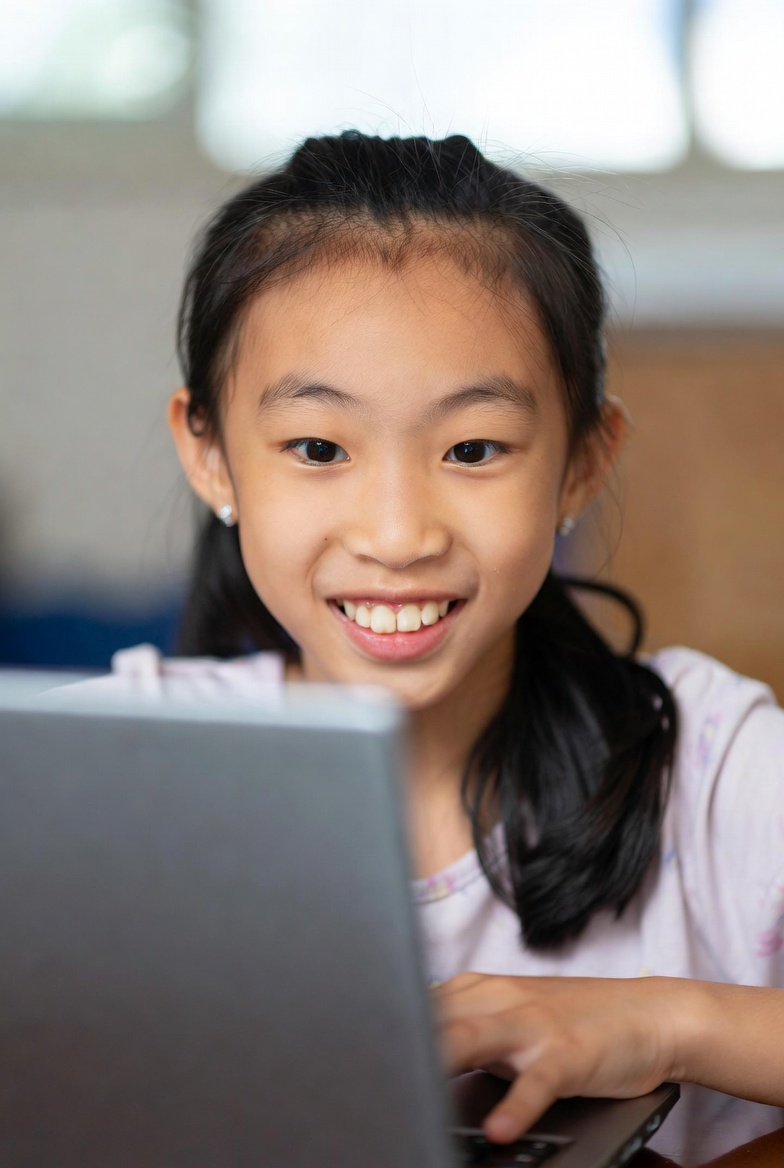
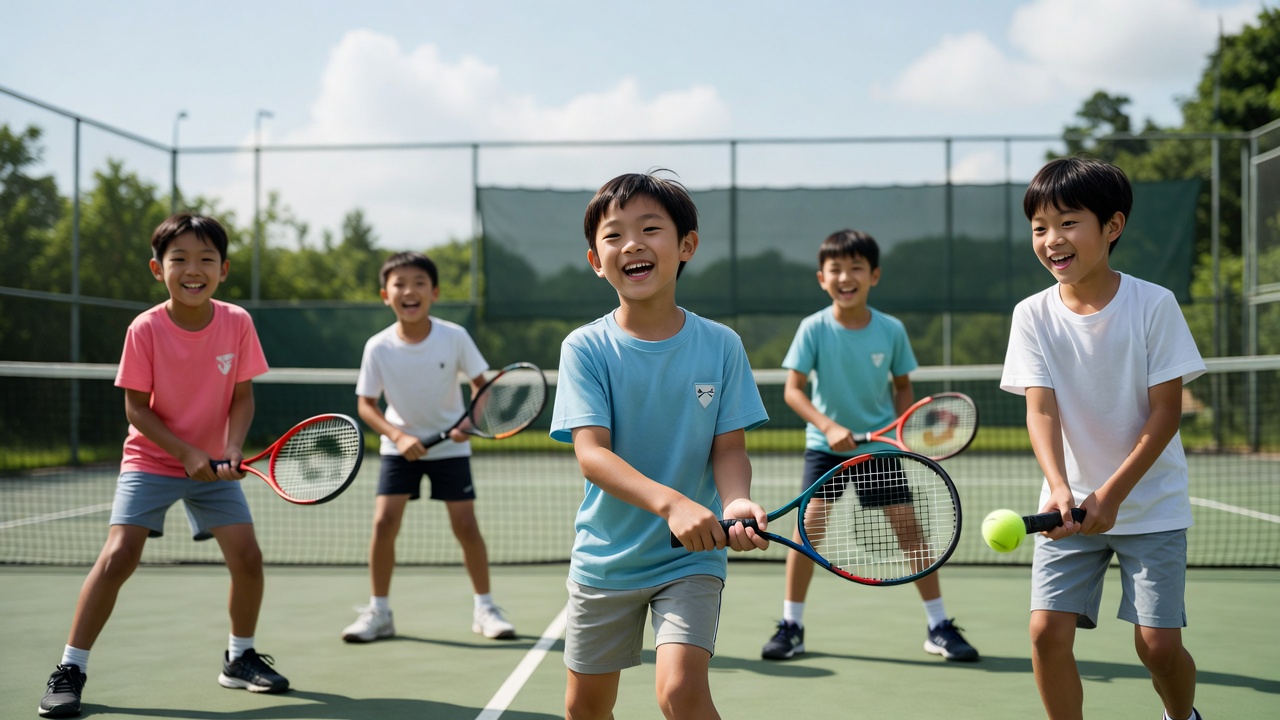
In today's world, liberal education empowers students to transcend the limitations of narrow specialization, fostering adaptability for lifelong learning and interdisciplinary challenges.
Key Elements of Liberal Education
Broad Knowledge Foundation
Covering humanities, social sciences, natural sciences, arts, languages, and more, to avoid premature specialization.
Critical Thinking
Training students to analyze problems, discern truth from falsehood, and construct sound logical arguments.
Effective Communication
Including written expression, public speaking, and cross-cultural communication to train clear articulation.
Civic Responsibility
Developing moral judgment, social compassion, and a global perspective for modern citizens.
Aesthetic Cultivation
Through literature, art, music, and philosophy to enhance aesthetic sensitivity and emotional depth.
Physical & Life Skills
Emphasizing sportsmanship, healthy living, and refined personal demeanor like etiquette and poise.
Advanced Life Skills
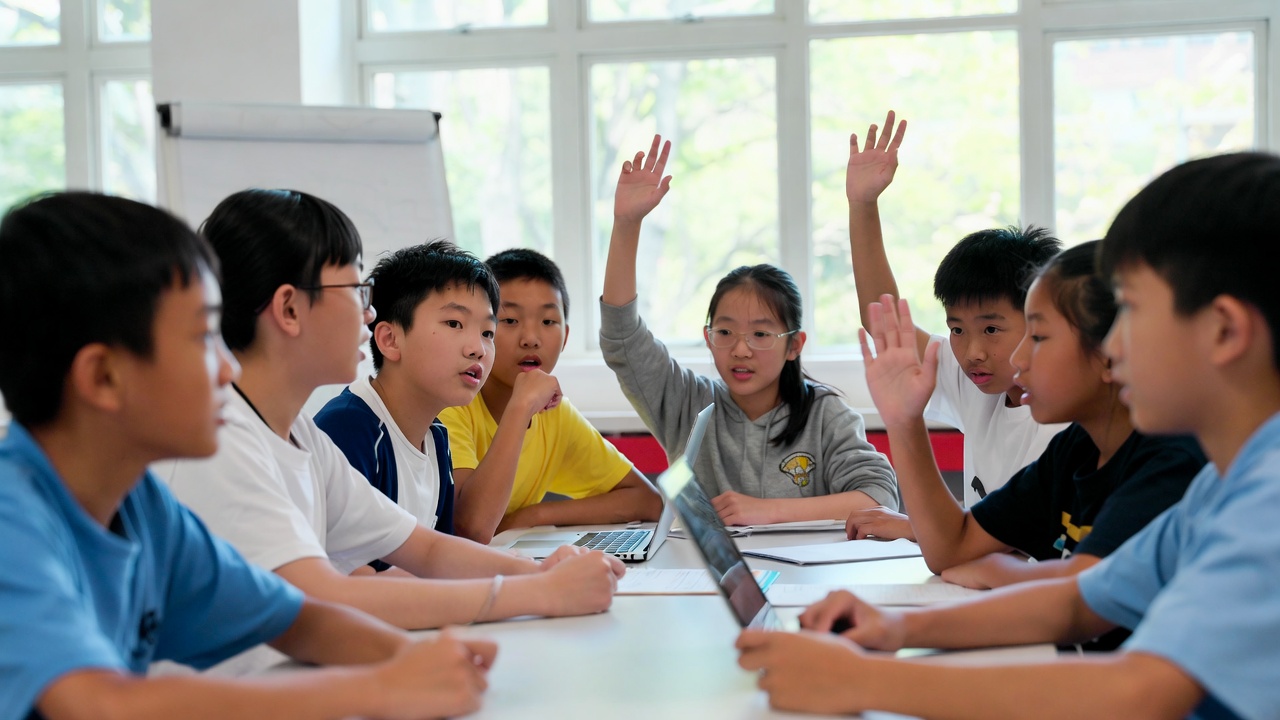
Upon completing foundational studies, Libera Education places special emphasis on practical life skills development:
- Table Manners Western and Chinese dining etiquette and meal culture.
- Personal Poise Grooming, body language, and confident public behavior.
- Specialized Sports Golf and tennis, stressing technique and mental resilience.
Certification Standards
Core Courses
Full completion of humanities, sciences, and arts.
Abilities
Critical thinking and practical problem-solving proficiency.
Communication
Public speaking, reports, and clear logical articulation.
Civic Awareness
Moral responsibility and global cross-cultural experience.
Beyond Classroom Learning
Liberal education extends far beyond the classroom, stressing the unity of knowledge and action ("knowing and doing"). Students must apply what they learn through project-based research and practical initiatives.